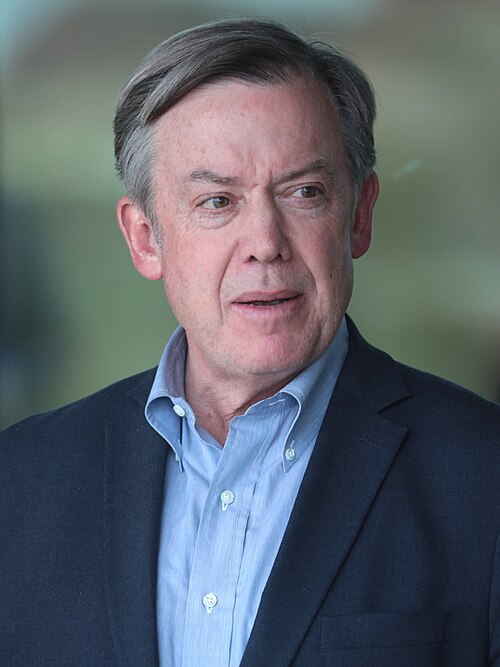
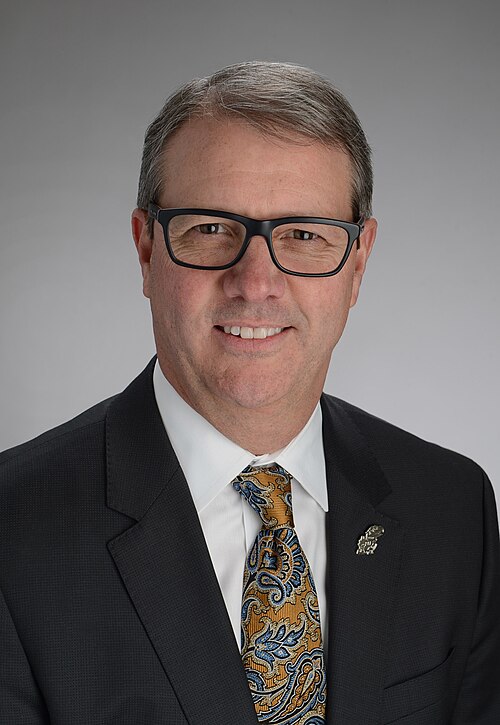
Four university presidents gave feedback on the framework before it went out. One of them runs a Maryland university. Below is the roster of everyone publicly identified in the reporting, grouped by the position they took, followed by a tracker of what Maryland's institutions have actually published.
Gave feedback while the document was being drafted, or brokered the conversation. Engagement is not endorsement, and several in this group have also opposed the administration in court.
One of four university presidents consulted as the framework was drafted. Approached through the Association of American Universities, where he is vice chair. Has also backed Harvard's lawsuit against the federal government and joined suits against indirect-cost cuts.
"If we had been asked to write the questionnaire, we would have phrased parts of it quite differently, reflecting our faith in the mission and impact of higher education."
Approached Daniels to consult on the plan. Previously worked with him on an initiative to promote viewpoint diversity in university faculty.
"I've worked to connect a number of academic leaders with Trump administration officials, because I think that opening pathways of conversation is crucial for universities to regain the bipartisan support they need."
Associate Professor and Vice President, AAUP Hopkins chapter
AAUP Johns Hopkins chapter
Maryland
Faulted the process and the absence of faculty consultation. Called the new framework an improvement on the 2025 compact but flawed in substance. Said AAUP leaders learned of Daniels' involvement from news coverage.
"A lot of things in the new compact are red herrings for conservative priorities. Reform needs to happen through the channels of faculty governance."
Every degree-granting institution in Maryland was asked the same seven questions and given the same December deadline. This table tracks what each one has published. A status of not reviewedmeans we have not yet checked that institution's website. It does not mean the institution stayed silent, and it should not be read that way. Maryland's 16 community colleges are in scope for the federal ask but are not yet listed here.